
CASTING
Common mistakes and their corrections in underhand and spey casting
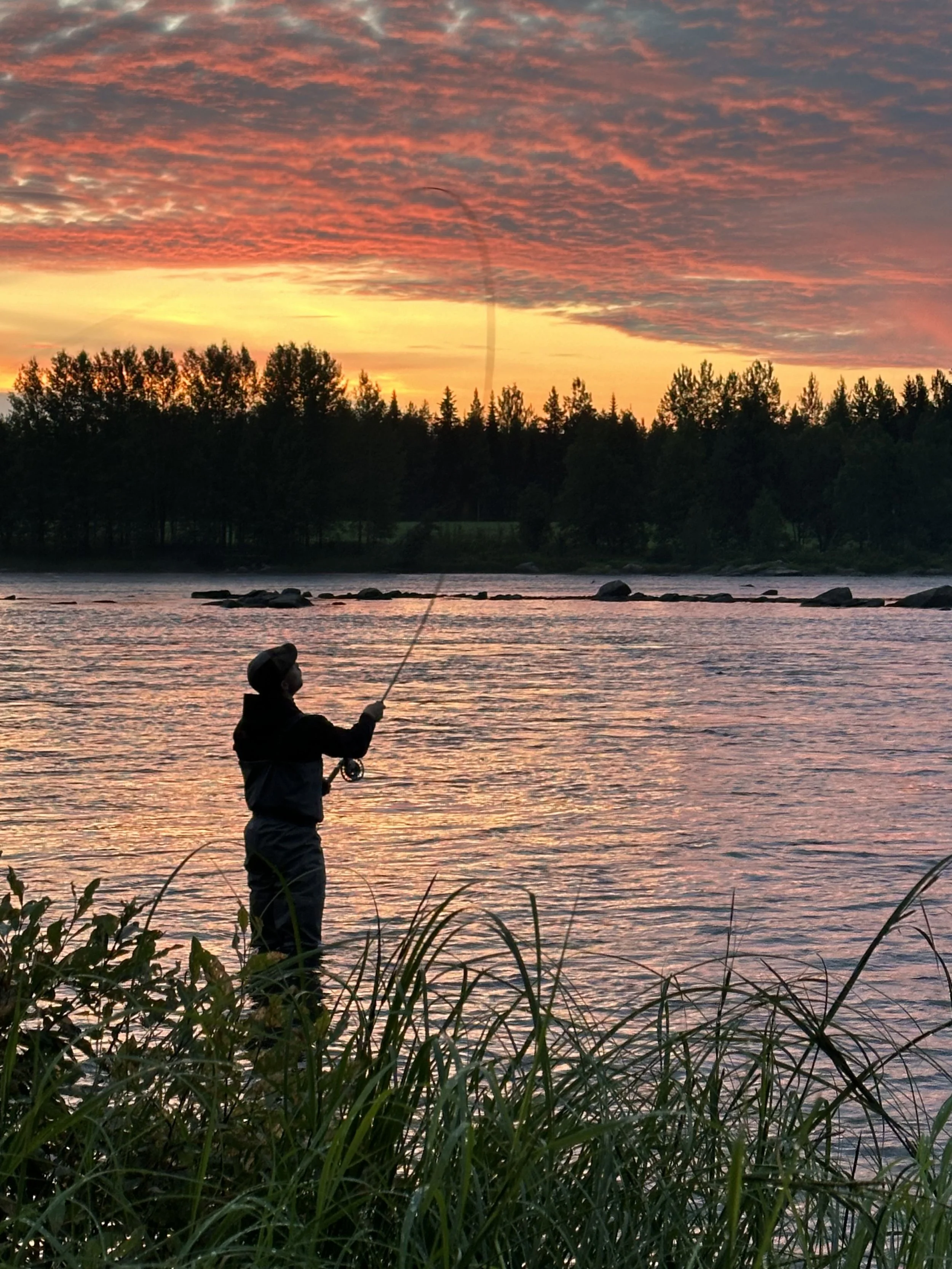
The importance of keeping the rod close to the body
* More power (using the powerful part of the rod)
* Better energy transfer
* More even casting strokes
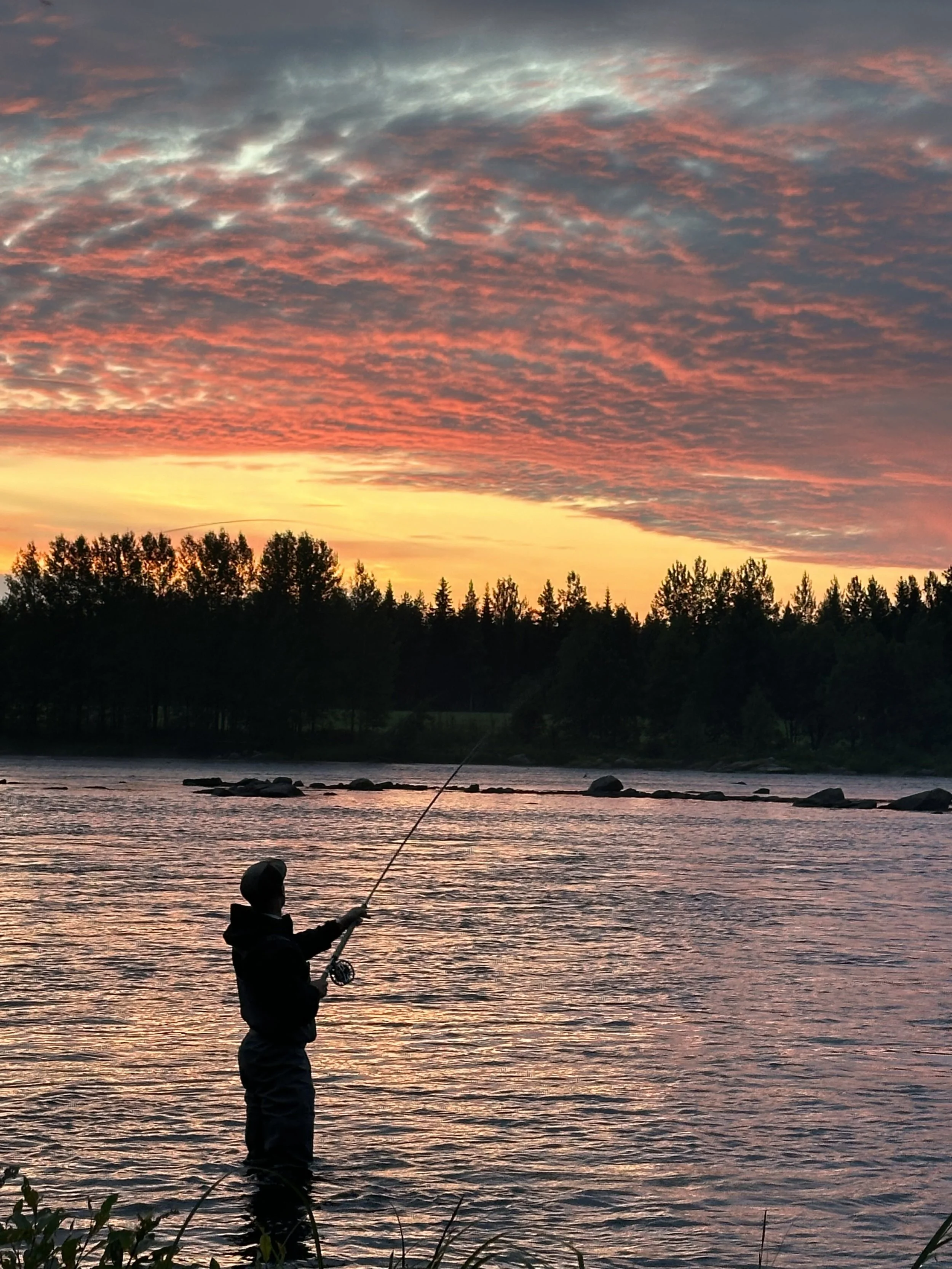
When casting a double handed rod, we don’t have the advantage of having the non-dominant hand doing the double haul – we have to rely on the right stroke, surface tension and timing to load the rod and cast the line. To maximize our casting and minimize our energy used, we have to use the right technique.
Treat your rod as your best buddy – you want it very close to your body. We do this because of several factors.
* Your hands have to travel a shorter distance to move the rod tip from the backward to forward position = creating higher line speed
* It’s easier to control and keep the right positions in the backward and forward positions = consistency
* We use less energy = more hours enjoying our passion
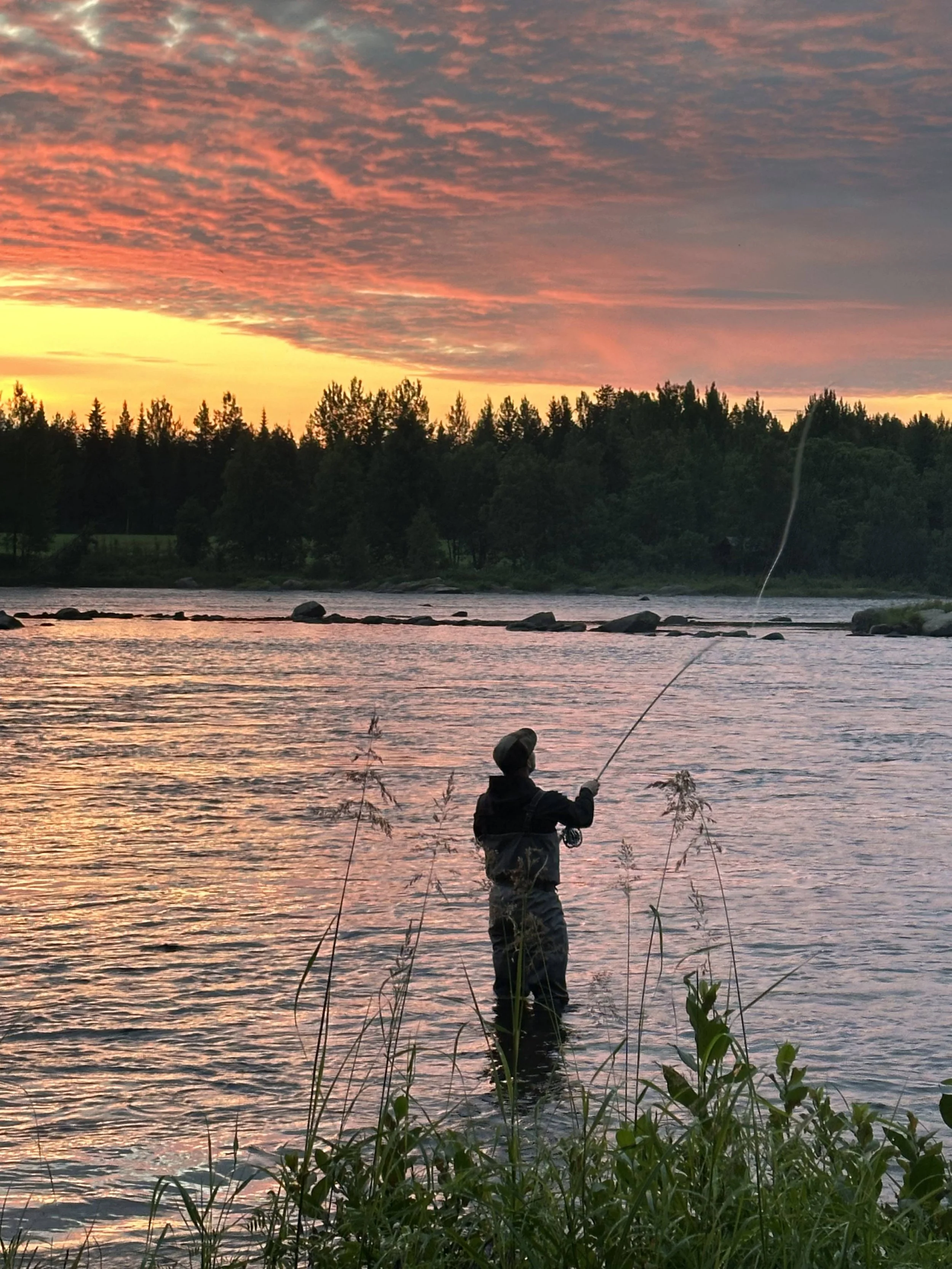
First, we have to know that each hand on the rod serves a purpose. The top-hand controls the rod tip and where we want to cast. The bottom hands control the power and speed of the line. When casting the overall power application should come from the bottom-hand. We want to tuck with the bottom-hand – and NOT push with the top-hand.
When doing an underhand cast or spey cast we want to determine certain positions that we go through in every single cast. Imagine a clock around you in a vertical manner. The backward stroke should stop around 2 o’clock and end in a forward stroke around 10 o’clock. The high stops serves two purposes;
1. We keep a great portion of the fly line off the water. Minimizing the energy needed to break the surface tension.
2. The high forward stop gives you tighter loops and a better energy transfer.

The fly cast starts with the rod tip close to the water surface. We raze the rod slowly to keep tension on the fly line. Raze the rod until you reach the forward position at 10 o’clock. Keep the rod close to your body, so the bottom of the grip touches your belly. Remember this position. With the bottom-hand you do a half circle so the rod travels backwards and stops in the backward position around 2 o’clock. Along with doing the half circle with the bottom-hand, you raise the rod slightly with your top-hand. This motion should accelerate from quite slow to fast. But not so fast that you lose tension with the fly line. When reaching the 2 o’clock position you should do a firm stop. You now find yourself in a position where the bottom-hand has done a half circle and has moved away from your body. The top-hand is raised slightly. From here you tuck the rod downwards with your bottom-hand, so it touches your belly again. The top-hand tucks downwards but not with much force – remember the top-hand determines the direction.
You find yourself back at the forward position again.
If we keep the rod close to our body we can move the rod tip quite fast from the backward to the forward position - thereby creating high line speed. Also by keeping the rod close to your body you have a lot more control - and you keep the stop in the forward cast because the bottom of the rod stops when touching your belly again.
The importance of a high rod tip during the casting stroke
* Less energy used to break the surface tension between line and water
* More even transfer to D-loop
* Less disturbance
You want to keep the rod tip high during casting. When having a high rod tip you’re able to hold a lot of line off the water, thereby using less energy. Also you have more time to move the line around and create a good D-loop.
When you do your backcast you increase the speed of the rod from slow to quite fast - you end with a quite prompt stop. If you keep the rod tip high, the line will continue to move backwards to create the D-loop. As soon as the fly line touches the water, you make your forward cast.
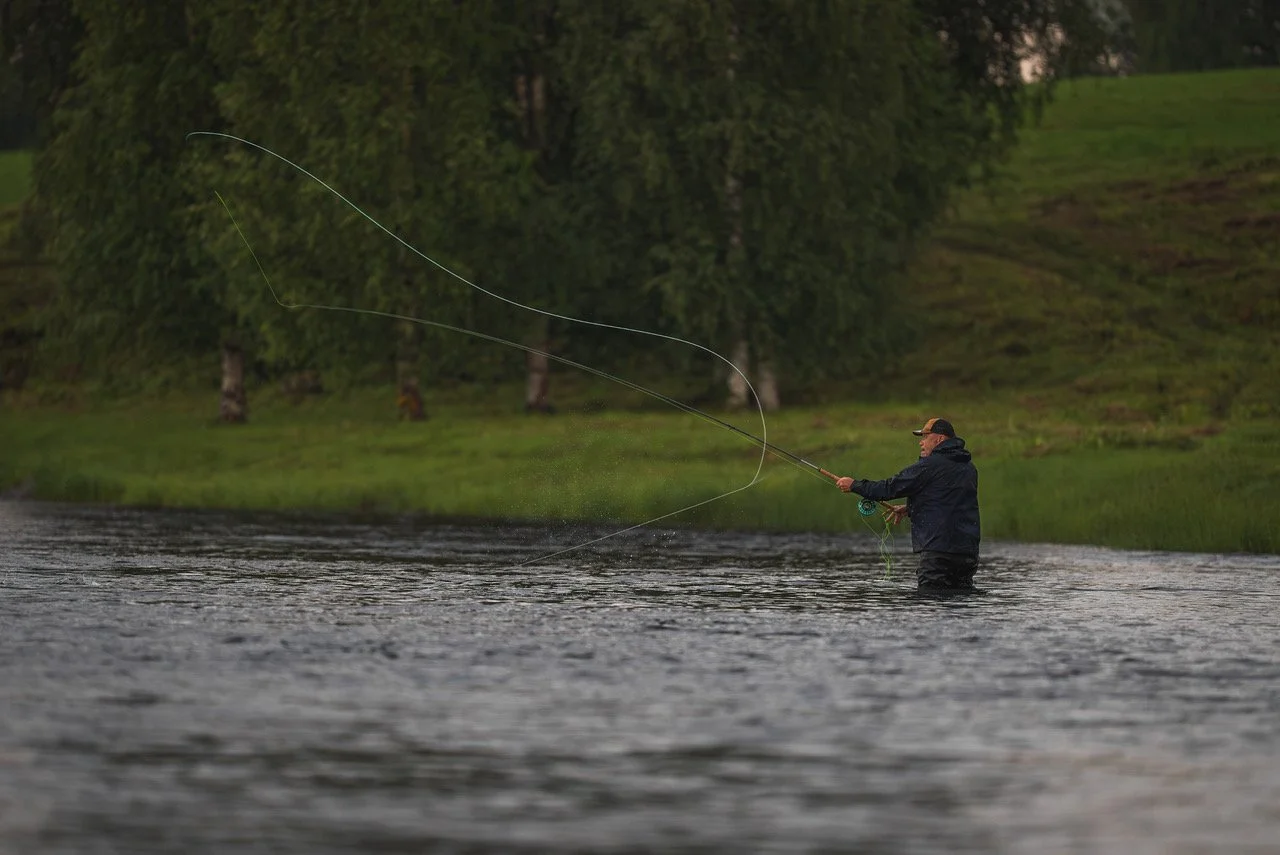
A common mistake when casting is dipping the rod tip in the backcast. When dipping the rod tip, you lose tension to the fly line and most of the fly line collapses and lands on the water. Now a lot of energy put into the casting stroke is used to rip all this line of the water again. It creates a lot of disturbance and also ruins the cast.

The 180-degree rule when using a waterborn anchor cast
* Same principle as overhead casting
* Using the tippet to determine direction
* Spey casting, Snap-T and snake-roll
In overall fly casting we have the 180-degree rule. It simply says, that the backcast should be in a 180-degree angle of the forward cast - so in the direct opposite direction. In underhand casting often times we have to change direction. At the end of the drift, we angled our cast to get a new drift. Often between 45 and 90 degrees into the river.
To do that we have to apply the 180-degree rule. For that purpose we should pay attention to our anchor point (the point where our fly line touches the water before doing the forward stroke - typically only our leader and perhaps a meter or two of our fly line). We should maneuver our anchor point so it points directly to where we want our cast to land. This is different according to the cast you want to do.
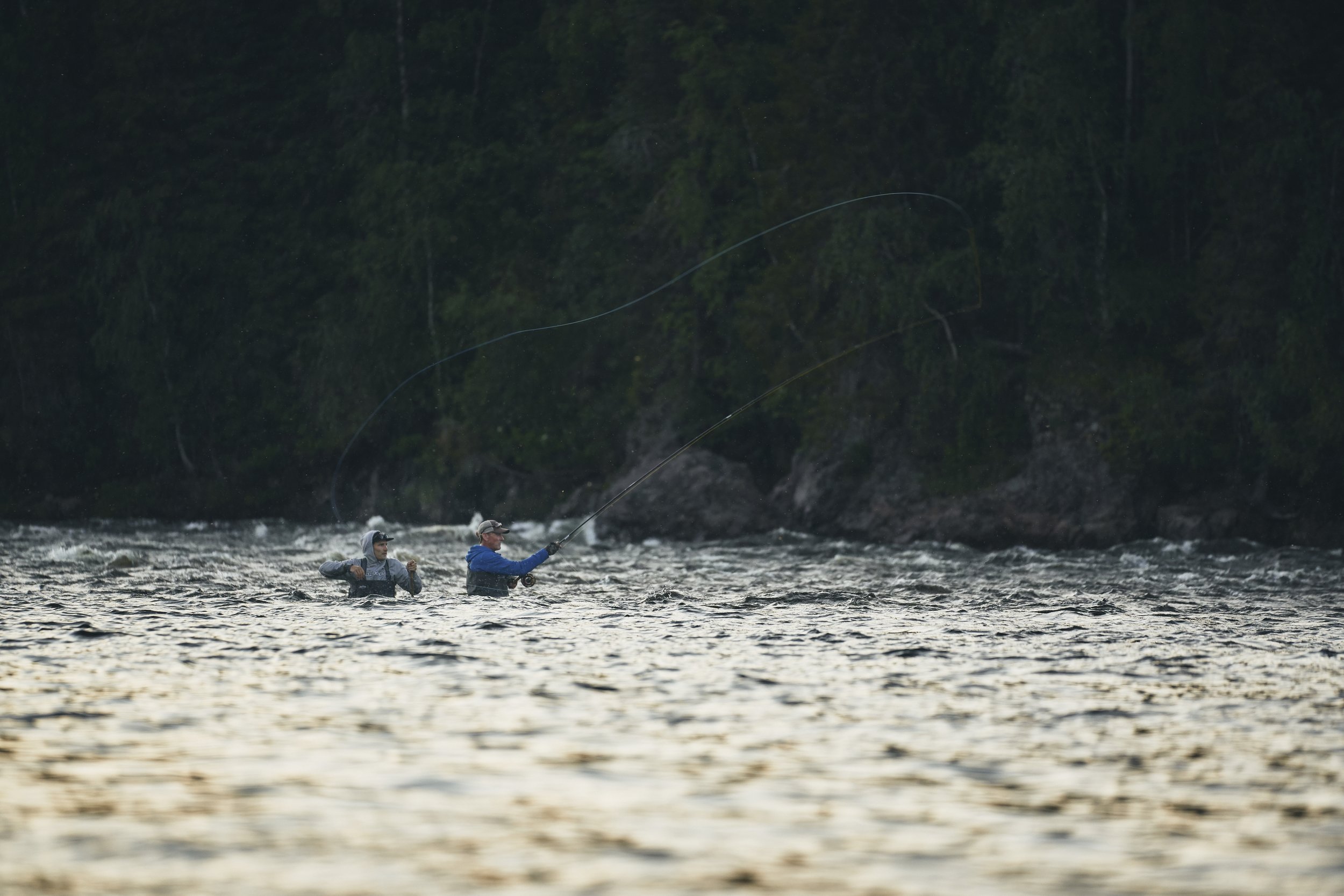
Single spey:
- Used on the side, where our dominant shoulder is pointing into the river - it’s often the side people refer to as the “right side” depending on you being left or right handed. The D-loop is up stream of you.
- When doing the cast you want your feet and body to point in the direction you want to cast. You raze the rod up. Now you rotate your body to the position where your rod tip and nose are aligned with the direction you want to cast. From here you do the normal stroke to get into the backward position at 2 o’clock - a half circle with the bottom-hand a slight raze with the top-hand. Now it’s just the forward stroke.
- It’s quite important to have a good acceleration in the backward stroke. You want all your fly line to go up stream of you, so the fly doesn’t catch your face when doing the forward casting stroke. The anchor point should be around a rod length away from you.
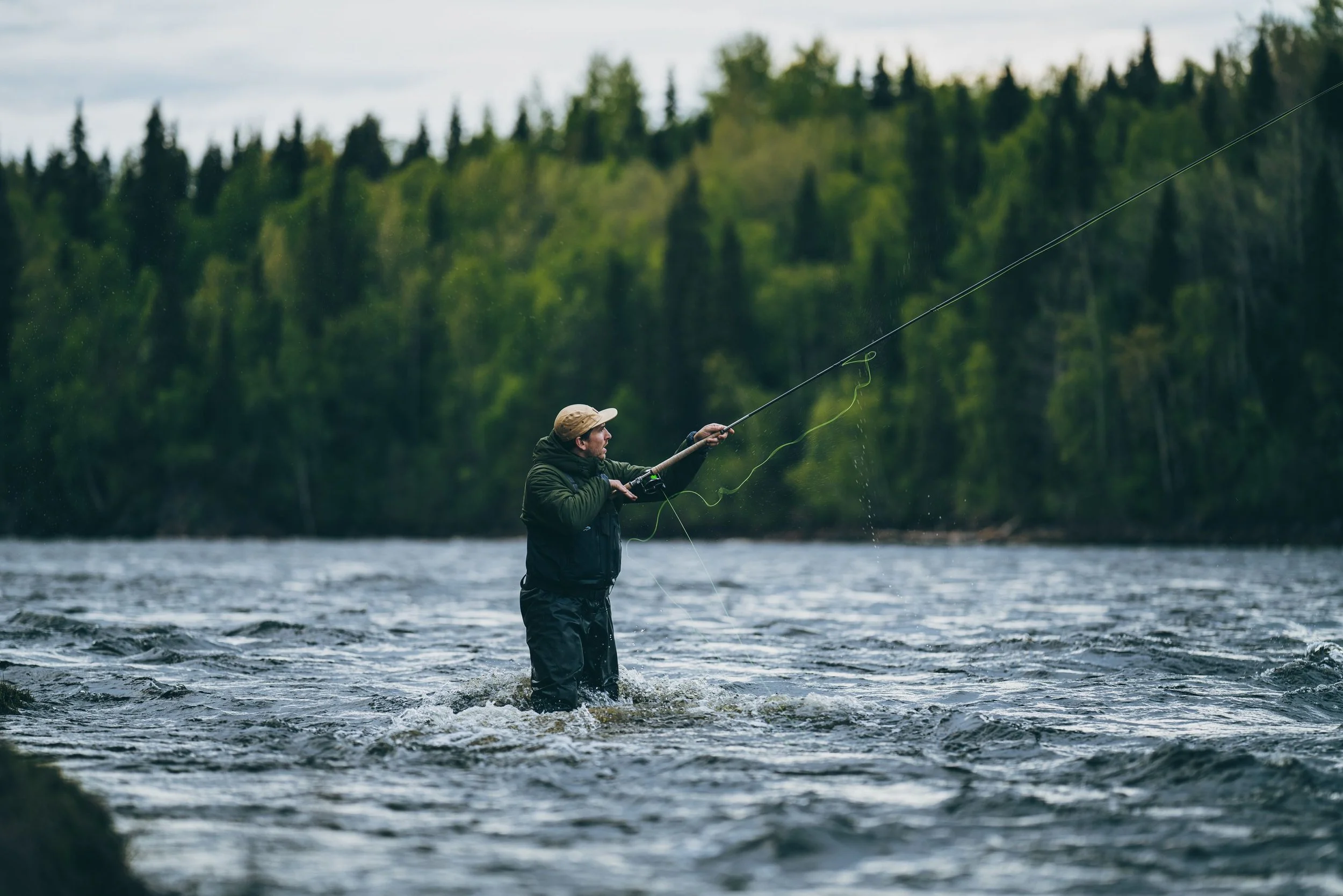
Snap-T:
- Used on the “right side”. It’s typically used when casting heavy sinking lines or when you have to cast a high angle cast - 70 degrees or above.
- Imagine when you do the “snap” and the line lands on the water again. The line should land with a 90-degree angle to where you want to cast. When you swing around the anchor point automatically points to where you want to cast.
- Focus on “snapping” the line with a high rod tip and keeping it there. The fly line lands with a lot less disturbance and you don’t have to use as much energy when repositioning the line into the D-loop. We don’t want to rip the line of the water and create a lot of noise.
- The “snap” should be more of a “V”-shape than a big circle. The big circle uses a lot of energy.
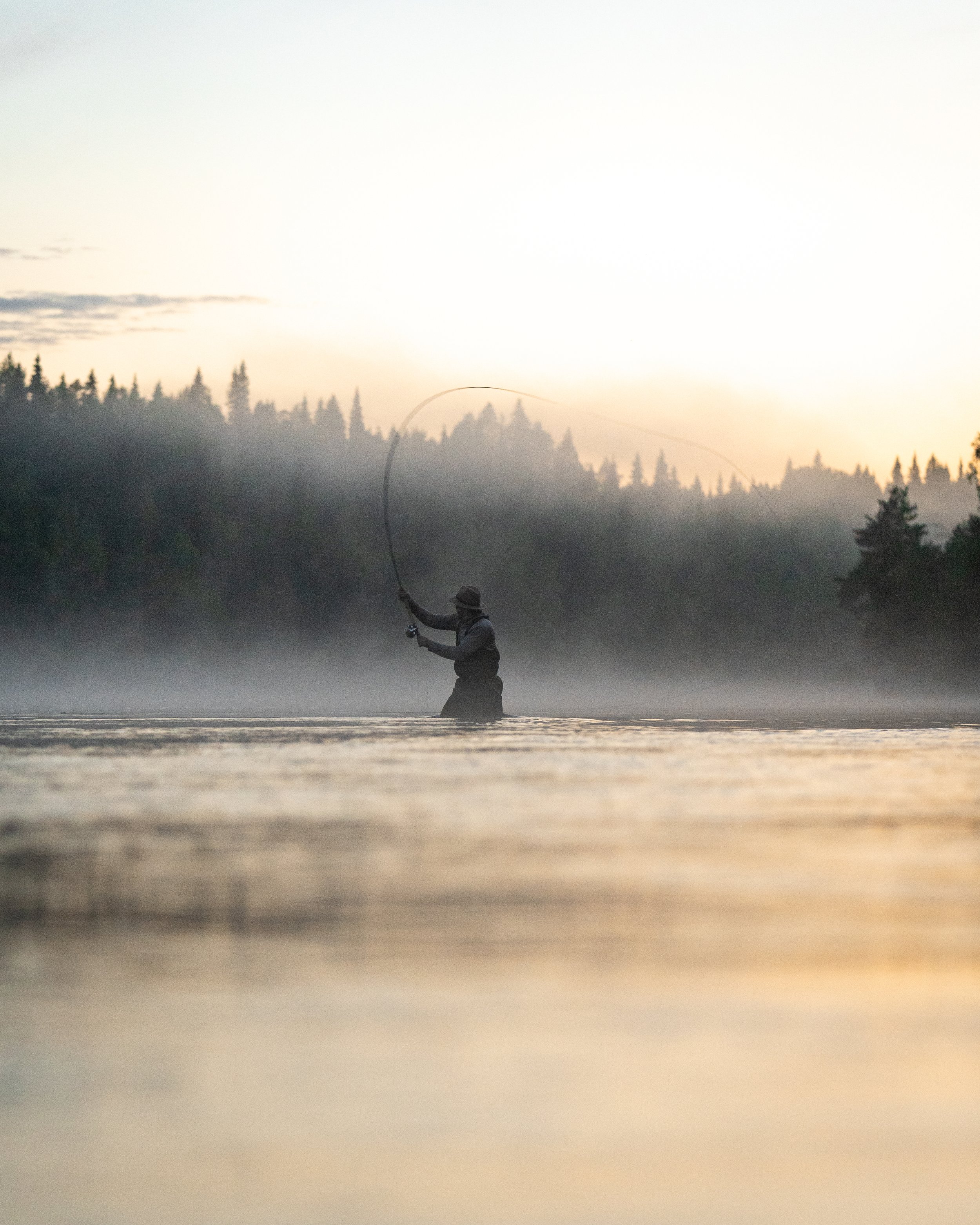
Snake-roll:
- Used on the “wrong side”. The D-loop and anchor point is therefore downstream of your position.
- Again, point your body towards where you want to cast. Lift the rod and with the top-hand you make a full circle out towards the river - the bottom-hand follows. This is done to angle the fly line outwards so when you do your backward stroke and create the D-loop.
- Again focus on small but quick and precise movements with the rod tip. The full circle doesn’t have to be very big if you do it quite promptly.

Tilting the rod
* Same angle in both backwards and forward stroke
* Importance of the bottom hand"
Sometimes you have to tilt the rod - perhaps due to overhanging branches or maybe because of hard wind that otherwise would have time to “catch” your fly line the forward cast and make it land different to where you want it to land.
When tilting the rod it’s very important to remember that the angle on the backward and forward stroke has to be the exact same. Otherwise you create a “tailing loop” when delivering your forward cast. It robs the cast for accuracy and distance.
Remember when tilting the rod, it’s not possible to have the rod tip as high as you normally would. Therefore you have less time to cast - the fly line lands quicker on the water. It’s about timing and watching the fly line.
When tilting the rod it’s also not possible to have the same indicators of a stop in the forward stroke - the rod is tilted and doesn’t touch your belly when going forward. Still focus on tucking the rod and have the firm stop.

We hope it helped and if you need help with your casting reach out to us.
Tight lines!
Simon & Aslak
Photos: Fred, Ted, SVT, Marko, LOOP & Focus on fly media